Rooms Built to Be Noticed
Design Across the Group
Most hospitality groups pick a look and repeat it across locations because repetition is cheaper and easier to manage. Blues Restaurant Group’s ten concepts take the harder road instead – each room gets its own design brief, built around what that specific concept actually needs to do for the people sitting in it.
Design of the Year, Earned at a Raw Bar
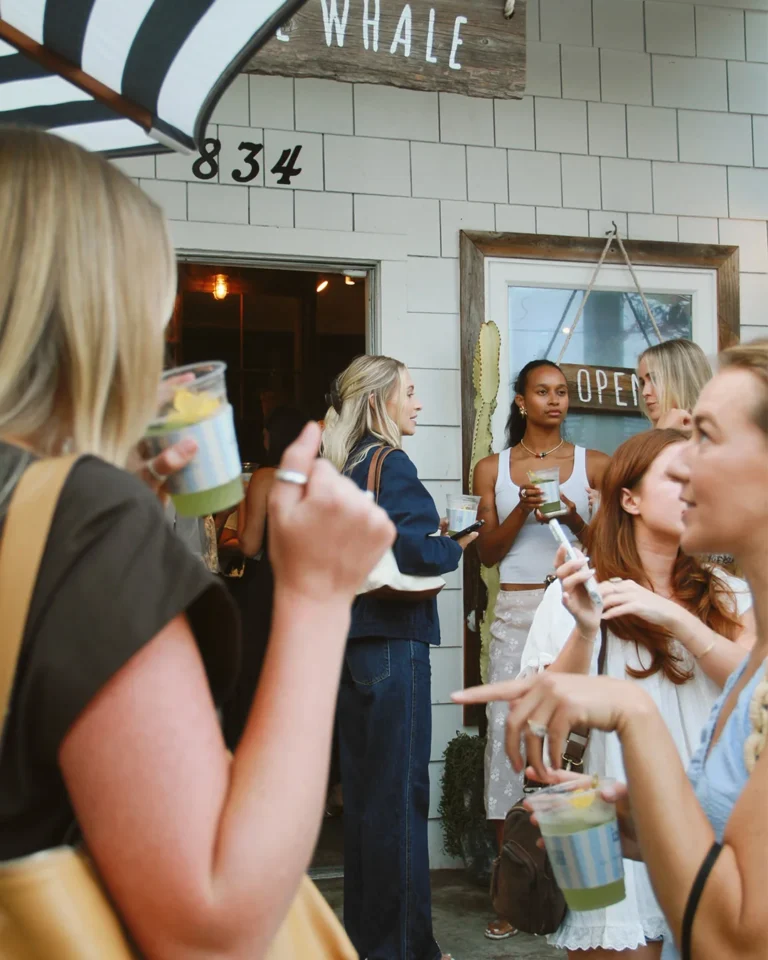
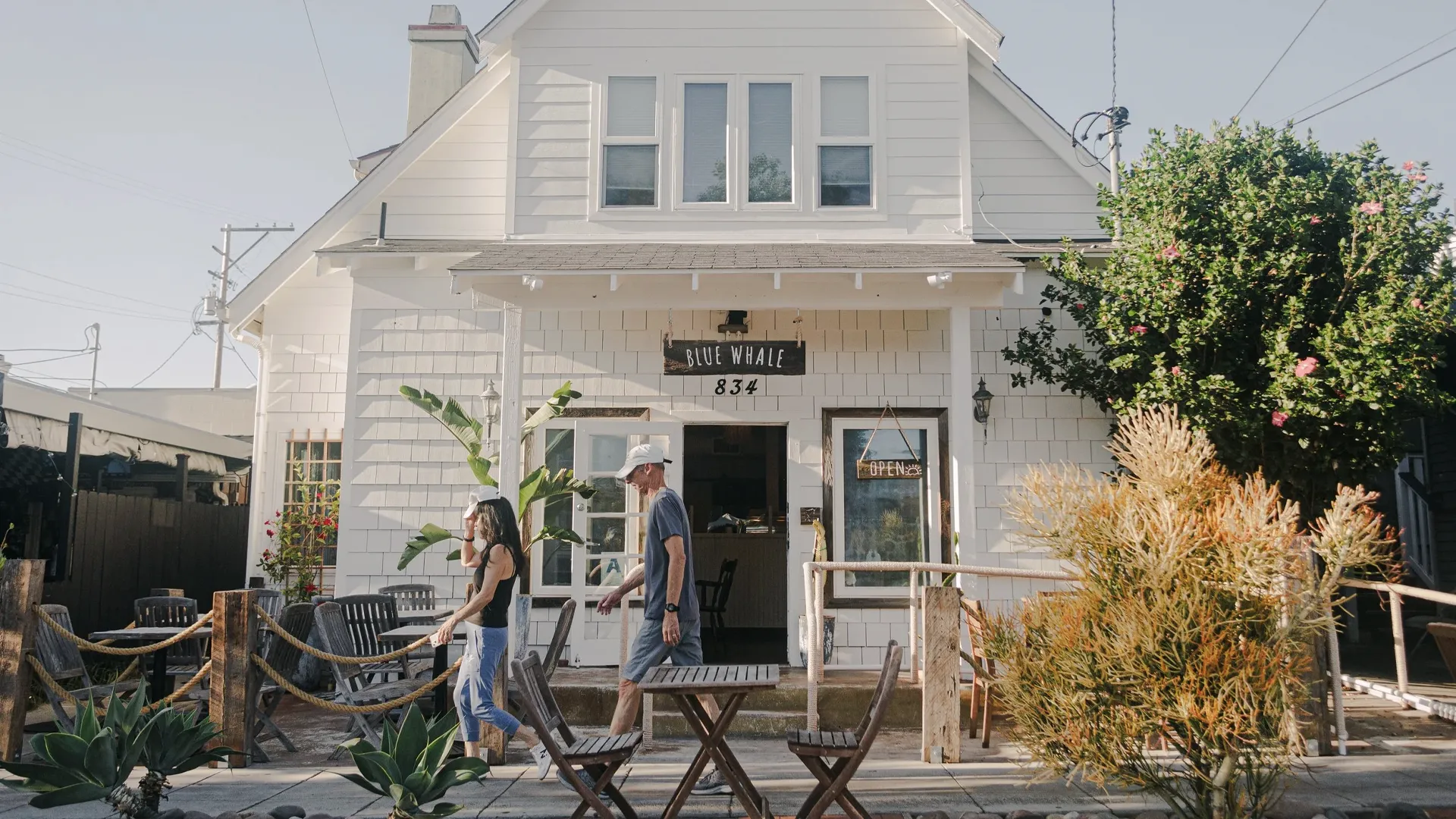
Blue Whale’s Coastal Seafood & Raw Bar concept in Pacific Beach took home Design of the Year – a restaurant design San Diego recognition that went to a room built around ice, shellfish, and an open bar counter rather than a dining room trying to hide its kitchen.
A raw bar is a hard room to design well, because there’s nowhere for the design to hide behind a plated dish or a dim corner table. The ice, the shucking counter, and the sightlines are all part of the show, which means the design has to hold up to direct scrutiny in a way a typical dining room doesn’t.
Ten Concepts, Ten Different Design Briefs
Hello Hibachi’s Teppanyaki & Tiki format calls for tabletop grills and a tropical bar energy. Barista Botanist’s organic, seed-oil-free café asks for something calmer. Killer Whale’s dessert and ice cream counter needs to feel playful rather than formal. None of these rooms were designed off the same template.
Killer Whale in particular has to solve a different problem than a raw bar or a steakhouse – a dessert and ice cream concept lives or dies on whether the space feels inviting to walk into on a whim, not just worth booking ahead for. That’s a design job closer to a neighborhood shop than a destination restaurant, and it gets treated that way.
Why the Design Has to Work at Every Hour
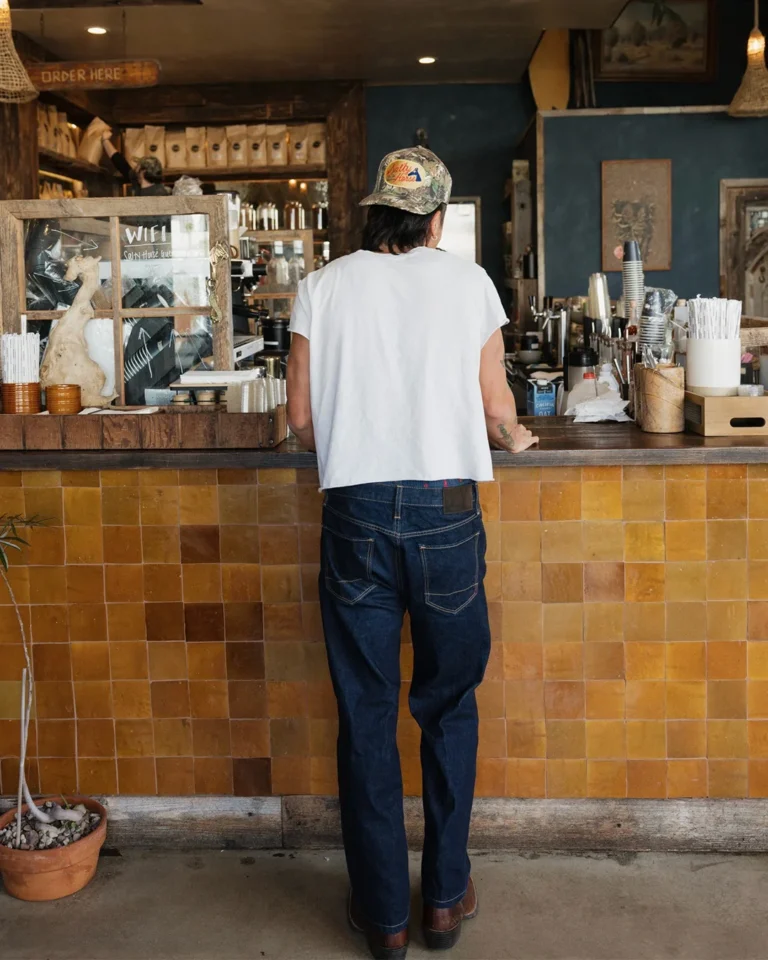
A room designed for mornings, long meals, and nights that linger has to hold up under completely different lighting and completely different crowds across a single day. That’s a harder brief than designing a dinner-only restaurant, and it’s the standard every concept in the portfolio is actually held to.
Lighting that feels right for a quiet 8am coffee order can feel flat and uninviting by 9pm, and a room built for a loud dinner service can feel harsh and oversized for two people splitting a pastry mid-morning. Solving for both ends of the day in the same physical space is a design problem most single-concept restaurants never have to think about.
Recognition That Matches the Effort
A design of the year restaurant title doesn’t happen by accident, and it isn’t the kind of award a group wins once and stops chasing. Blue Whale’s win is a marker of what the rest of the portfolio is also being built toward, room by room.
Some rooms are worth sitting in just to look around. Visit Blue Whale in Pacific Beach and see what Design of the Year actually looks like in person.