Coast to Cantina
The Common Thread Behind Blues Restaurant Group’s Seafood, Southwestern, and Coastal Menus
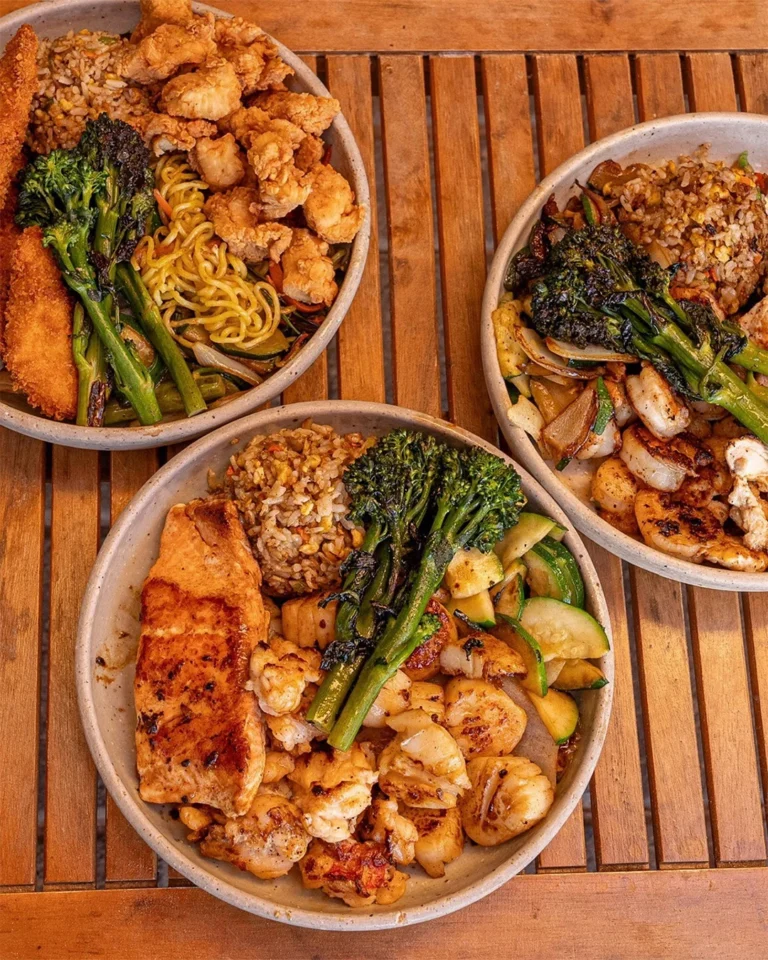
Put a raw bar, an Aegean seafood room, and a Southwestern cantina on the same table and most people would guess they belong to three different companies. At Blues Restaurant Group, they belong to the same kitchen philosophy. Blue Whale’s day-boat catch, Neptune’s Aegean-leaning seafood, and Coyote West’s Southwestern cantina menu read like three different cuisines on paper – and they are. But pull back far enough and a single thread runs underneath all three: “buy it fresh, keep it simple, and let the ingredient do the talking.“
The Day Boat Standard
At Blue Whale, the group’s coastal seafood restaurant on the Pacific Beach waterfront, the menu is written around a single non-negotiable: “the catch has to have come off a boat that day, not out of a freezer that week”. That standard shapes everything else – a raw bar built to showcase ice and shellfish rather than sauce, a kitchen that changes what it’s serving based on what the boats actually brought in, and a menu that reads less like a fixed list and more like a running conversation with the ocean.
An Aegean Detour
A few miles up the coast, Neptune takes the same day-boat instinct and points it toward the Mediterranean. It’s the group’s Aegean seafood restaurant in Newport Beach, and the idea is simple that what if that same commitment to freshness was filtered through olive oil, citrus, and open-flame grilling instead of a raw bar? The result is a menu that shares Blue Whale’s sourcing standards but tells a completely different story on the plate.
Where the Coast Meets the Desert
Then there’s Coyote West, the group’s Southwestern cantina, which at first glance looks like the outlier – agave spirits, charred vegetables, a menu built around the desert instead of the dock. But look closer and the same instinct shows up again: produce sourced with the same discipline Blue Whale applies to seafood, dishes built around what’s actually in season, and a kitchen that would rather change the menu than compromise on where an ingredient came from.
One Kitchen Philosophy, Three Menus
None of this is a coincidence, and none of it is a formula either. What they share with each other is a kitchen culture that treats sourcing as the actual menu, and everything else – the spice, the region, the plating – as the way that sourcing gets told. That’s the common thread behind Blues Restaurant Group’s seafood, Southwestern, and coastal menus: different cuisines, same standard for what’s allowed to reach the table.
Curious what that standard tastes like in practice? Pull up a seat at the raw bar at Blue Whale, the grill at Neptune, or the agave wall at Coyote West – and taste how one kitchen philosophy becomes three very different menus. Explore the full lineup of Blues Restaurant Group concepts and reserve your table today.